Boost Your Chances of Getting Hired
The right certifications and experience can make you a top candidate. Here's what camps are looking for - and how to get it.

Essential Certifications
These are often required, not just preferred. Getting certified before applying shows initiative.
CPR / First Aid / AED
Most camps require this. Arriving already certified makes you an easy hire.
| Provider | Cost | Time | Best For |
|---|---|---|---|
| American Red Cross | $70-150 | 4-6 hours | Camp settings, lifeguarding |
| American Heart Association | $50-200 | 4-6 hours | Healthcare settings |
| Health & Safety Institute | $40-65 | 2-3 hours | Budget-friendly option |
Our recommendation: Red Cross is the camp standard. If you're also getting lifeguard certified, Red Cross keeps everything in one system. All three teach the same skills and are widely accepted.
Lifeguard Certification
If the camp has a pool or waterfront, this dramatically expands your options - and often comes with higher pay.
Requirements
- Age 15+ by last day of class
- Swim 150 yards (front crawl or breaststroke)
- Tread water for 2 minutes
- Retrieve object from 7-10 feet deep
Quick Facts
- Cost: $300-400
- Time: ~29 hours (22 in-person + 7 online)
- Valid: 2 years
- Includes: CPR/AED for Professional Rescuers
Tip: Courses fill up fast in spring. Book early if you want to be certified before the summer hiring rush.
Wilderness First Aid (WFA) / Wilderness First Responder (WFR)
For outdoor and adventure camps, these show you can handle emergencies when help is far away.
| Level | Time | Cost | Best For |
|---|---|---|---|
| WFA | 16-20 hours (1 weekend) | $245-300 | Day camps, short trips |
| WFR | 70-80 hours (8-10 days) | $750-850 | Adventure camps, wilderness trips |
Which to choose: WFA is sufficient for most camp positions. WFR is the industry standard for professional outdoor guides and camps running multi-day wilderness trips.

Specialty Certifications
Not essential for every job, but these can expand your options and set you apart.
Archery Instructor
USA Archery Level 1 covers range safety and teaching beginners.
- Cost: ~$85
- Time: 8.5 hours (4 online + 4.5 practical)
- Age: 15+
- Valid: 3 years
Climbing Wall Instructor
AMGA CWI is the professional standard for climbing instruction.
- Cost: $450-500
- Time: 2.5 days (20+ hours)
- Age: 18+, 1 year climbing experience
- Valid: 3 years
Canoe/Kayak Instructor
American Canoe Association certification for paddling instruction.
- Cost: $375-625
- Time: 5 days
- Also requires: ACA membership ($40/year)
- Valid: 4 years
Ropes Course Facilitator
ACCT certification for challenge course facilitation.
- Cost: ~$850
- Time: 40 hours (Level 1)
- Age: 18+
- Valid: 1 year (Level 1), 3 years (Level 2)
Lifeguard Instructor
Want to teach lifeguarding, not just perform it? This opens doors to year-round work and leadership positions.
- Cost: $150-400
- Time: 3 days
- Requires: Current Lifeguard certification
- Age: 17+
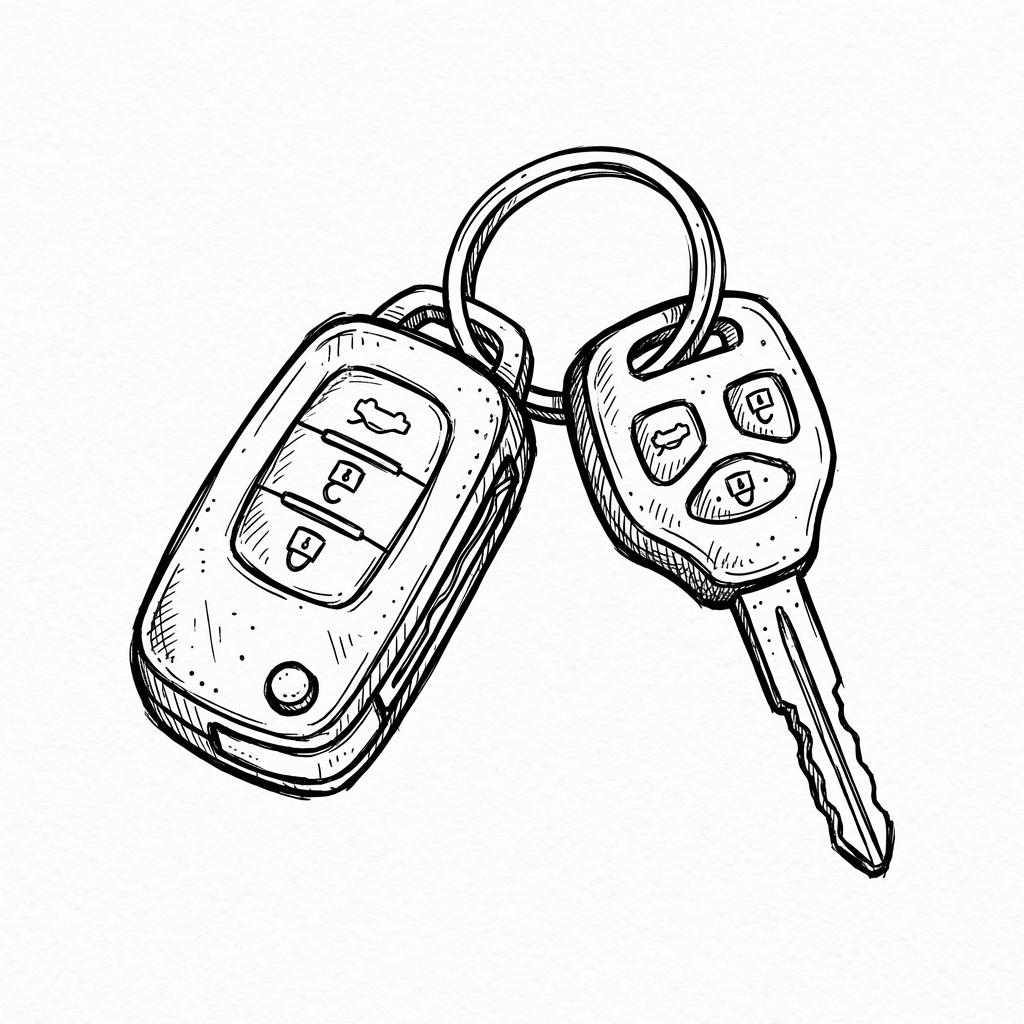
Driving Credentials
Being able to drive expands what you can do at camp.
Valid Driver's License
Many camps need staff who can drive vans for trips, airport pickups, or supply runs.
What camps look for:
- Valid license (1+ year experience preferred)
- Clean driving record
- Comfort with larger vehicles (15-passenger vans)
Commercial Driver's License (CDL)
For larger camps with buses, a CDL makes you extremely valuable.
- Age: 18+ (intrastate), 21+ (interstate)
- Training cost: $1,500-7,000
- Time: ~1 month for training
Reality check: This is a significant investment. Focus on other certifications first unless the camp specifically needs CDL drivers.
Background Checks
What to expect and what you can do in advance.
What Camps Require
ACA-accredited camps must run criminal background checks on all staff 18+ before campers arrive. This includes checking the National Sex Offender Registry.
Can You Get Checked in Advance?
It depends on your state. Some states offer portable background check systems:
Connecticut
OEC checks are portable between childcare employers. You can print your own clearance card.
Washington
DCYF provides portable checks valid for 5 years through the MERIT system.
Pennsylvania
Requires three clearances for working with children (State Police, Child Abuse, FBI).
The reality
Most camps must run their own background check regardless of what you've done previously. Having your own check ready doesn't replace theirs, but it shows you're prepared. Check if your state has a childcare/youth work background check system by searching "[Your State] background check working with children."
Experience That Counts
You don't need certifications to show you're good with kids. Document and highlight these experiences.
Youth Programs
- YMCA programs
- Boys & Girls Clubs
- Church youth groups
- After-school programs
- Scout leadership
Tip: Track your hours. "150 hours as a youth group leader" is more compelling than "helped out sometimes."
Coaching
- Youth sports teams
- Recreational leagues
- School teams
- Assistant coaching counts!
Shows you can manage kids in groups, handle competition, and communicate with parents.
Childcare
- Babysitting
- Nannying
- Tutoring or mentoring
- Teaching (music, swim, etc.)
Tip: Ask families for written references. A parent saying "I trust them completely" carries weight.

Where to Start
Applying Soon?
Maximum impact in minimum time:
- 1. Get CPR/First Aid certified ($50-100, one day)
- 2. Get lifeguard certified if you swim well ($300-400, one week)
- 3. Highlight your existing youth experience
More Time to Prepare?
Build a stronger profile:
- Add WFA for outdoor camps
- Consider specialty certifications matching camp activities
- Build up documented volunteer hours
Camps look for people who are responsible, enthusiastic, and good with kids. Certifications prove you're serious. Experience shows you can do the job. Both matter.
Costs and requirements shown are approximate and may vary by location and provider. Check directly with certification organizations for current pricing.